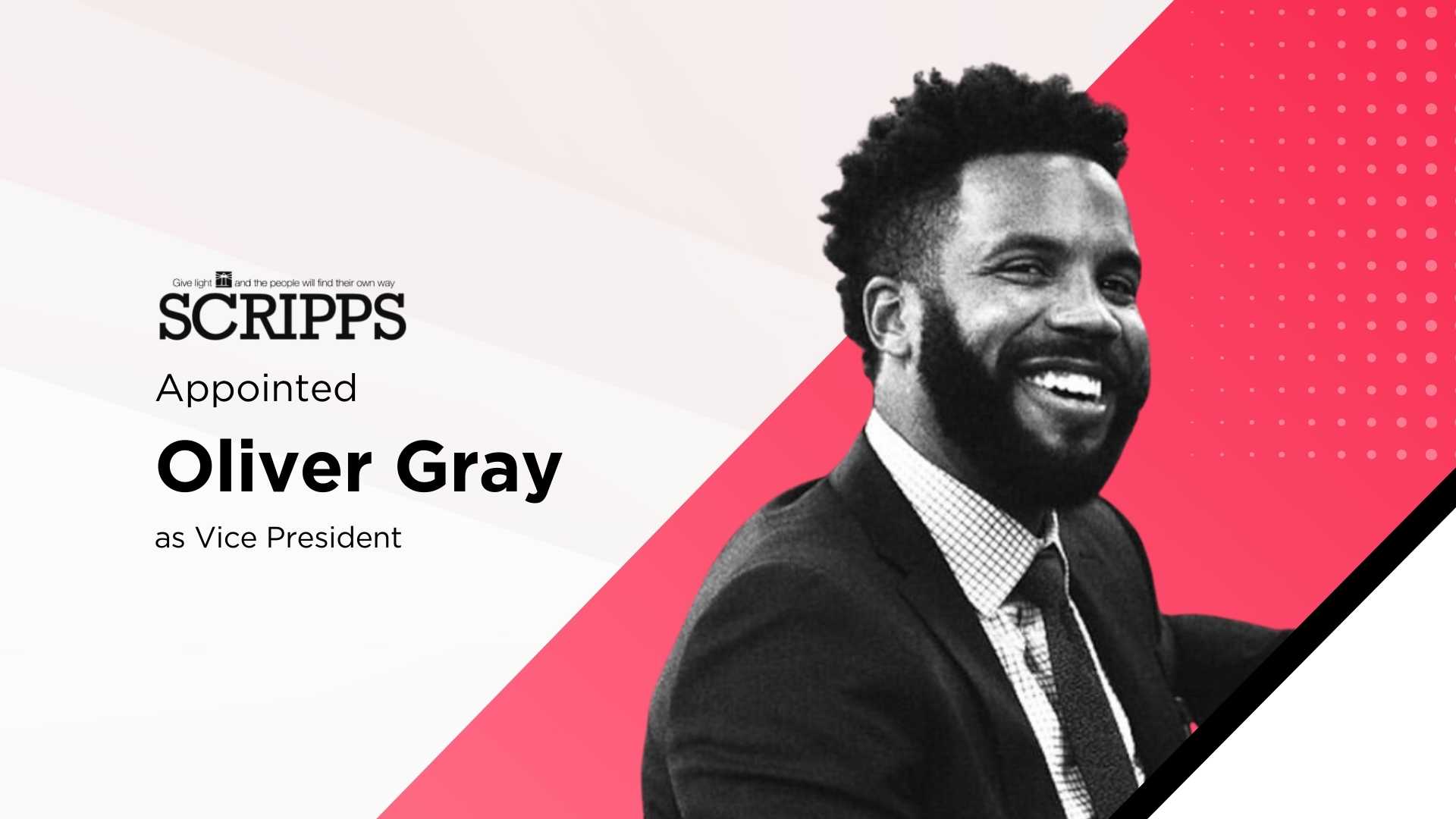
The E.W. Scripps Company announced a senior leadership change that could reshape how the media group sells advertising on its expanding slate of sports properties. Oliver Gray has been named vice president of network sports and client partnerships, a role that places him at the nexus of national brand outreach and Scripps’ sports‑centric inventory.
Gray’s mandate is straightforward: link advertisers with Scripps’ broadcast and digital platforms, especially the company’s newly minted sports assets, and forge integrated partnership models that deepen client ties while driving revenue. He will report directly to Brian Norris, Scripps’ executive vice president and chief revenue officer, and will operate out of New York City.
Why Scripps Is Doubling Down on Sports
Scripps, best known for its local‑news stations and digital publishing, has spent the past few years layering sports content onto its traditional broadcast mix. The strategy mirrors a broader industry shift where midsize broadcasters leverage live sports—often the most reliable driver of appointment viewing—to attract premium ad dollars. By expanding its sports portfolio, Scripps hopes to compete with larger conglomerates that already own extensive rights to national leagues and collegiate events.
The new VP role reflects a recognition that selling sports inventory is no longer a simple “sell‑the‑spot” exercise. Brands increasingly demand holistic campaigns that blend on‑air exposure, social amplification, and data‑driven fan engagement. Gray’s experience straddles both the linear television world and the fast‑moving digital‑first environment, making him a logical fit for a position that must balance legacy ad sales with the nuances of streaming and fan‑centric experiences.
Oliver Gray’s Track Record
Gray arrives with more than a decade and a half of experience in sports sponsorship and national media advertising. Most recently, he led East Coast sales and partnerships at Overtime, a digital sports media startup that has carved out a niche with Gen‑Z audiences. Under his stewardship, the Overtime sales team consistently surpassed revenue targets, securing marquee sponsors such as Dunkin’, Hershey, Delta, DraftKings, Coca‑Cola, and The Home Depot.
Before Overtime, Gray was instrumental in shaping Amazon’s advertising partnership with the National Football League’s “Thursday Night Football” broadcast. That role required aligning a streaming giant’s brand objectives with the NFL’s massive live‑viewership ecosystem—a task that demanded both strategic vision and operational precision.
Earlier in his career, Gray held senior sales and marketing positions at CNN, Discovery Communications, and TV Guide Network, giving him a solid grounding in both cable and broadcast environments. He also served as The Slate Group’s dedicated liaison for agencies such as Magna, Mediavest, and Starcom, further broadening his agency‑side perspective.
Educationally, Gray holds a Bachelor of Arts from Tufts University. Outside the office, he is the founder of Project Come Up, a nonprofit focused on youth empowerment, and volunteers with iMentor, a mentorship organization.
The Strategic Fit
“Oliver brings a strong track record of driving revenue growth across television and digital, with deep expertise across sports and streaming,” said Brian Norris, Scripps’ executive vice president and chief revenue officer. “His vision for translating fandom into meaningful business results will help advertisers tap into Scripps’ premium sports and entertainment portfolio in powerful new ways.”
Norris’ comments underscore how Scripps intends to leverage Gray’s cross‑platform fluency. The company’s sports assets—ranging from regional college games to niche professional leagues—are positioned to serve advertisers looking for targeted fan bases without the price tag of top‑tier national rights. Gray’s role will likely involve creating bundled packages that combine broadcast spots, digital overlays, and social content, offering brands a more cohesive storytelling canvas.
Market Context: Where Sports Advertising Is Headed
The sports advertising market is projected to exceed $30 billion globally by 2027, driven by the continued migration of live events to streaming platforms and the rise of data‑rich sponsorship models. Advertisers are no longer satisfied with simple impressions; they seek measurable engagement, fan‑level insights, and multi‑touchpoint experiences.
Scripps’ move aligns with a trend among mid‑size broadcasters—think Sinclair, Gray Television, and Nexstar—who are diversifying revenue streams by investing in sports rights, often through regional or niche agreements. By adding a dedicated VP to shepherd these efforts, Scripps signals an intent to compete for a slice of the premium ad spend that historically gravitates toward the “big three” (NBC, CBS, Fox) and streaming behemoths like Amazon and Disney+.
Potential Implications for Advertisers
For brands, the appointment could translate into more sophisticated partnership opportunities. Gray’s background suggests an emphasis on data‑driven activation, a shift from traditional “run‑of‑the‑mill” ad placements to campaigns that integrate fan analytics, real‑time bidding, and cross‑platform storytelling.
A typical Scripps sports package under Gray’s leadership might include:
- Prime‑time broadcast spots during regional college games, offering high‑visibility exposure to local markets.
- Digital ad units on Scripps’ streaming apps, leveraging audience segmentation to target specific demographics.
- Social amplification through the company’s owned channels, tapping into fan communities that discuss games in real time.
- Custom sponsorship activations that embed brands within the fan experience—think halftime contests, branded overlays, or exclusive behind‑the‑scenes content.
Such bundles could appeal to advertisers looking to reach passionate fan segments without the high cost of national league rights.
Competitive Landscape
Scripps will be entering a crowded field where established players already boast sophisticated sports ad sales teams. NBCUniversal, for instance, leverages its Olympic and NFL contracts, while Amazon continues to expand its “Thursday Night Football” and Prime Video sports offerings. Even niche players like DAZN are building out agency‑focused sales structures.
Gray’s experience at Overtime—a company that thrives on short‑form, mobile‑first sports content—could give Scripps an edge in courting younger audiences. Moreover, his prior work with Amazon’s NFL partnership suggests he understands the complexities of negotiating with both leagues and streaming platforms, a skill set that may prove valuable as Scripps seeks to secure additional rights or co‑production deals.
Operational Shifts Within Scripps
The new VP will likely coordinate closely with both the network sales division and the Scripps Sports team, bridging any siloed efforts that have historically existed between broadcast and digital units. This integrated approach could streamline the sales process, reduce internal friction, and present a unified front to advertisers.
Gray’s New York base also positions him near major advertising agencies and brand headquarters, facilitating face‑to‑face relationship building—a crucial component in securing multi‑year sponsorships.
Outlook and Next Steps
While Scripps has not disclosed specific upcoming sports rights acquisitions, the appointment of a dedicated VP suggests that the company may be actively pursuing additional live‑event agreements. Gray’s mandate will likely include evaluating potential partnerships, negotiating rights fees, and crafting advertiser‑friendly packages that leverage both linear and streaming assets.
Industry observers will watch to see whether Scripps can translate Gray’s proven sales leadership into measurable revenue growth. If successful, the move could encourage other mid‑size broadcasters to double down on sports as a revenue engine, further fragmenting the market and expanding options for advertisers.
Get in touch with our Adtech experts