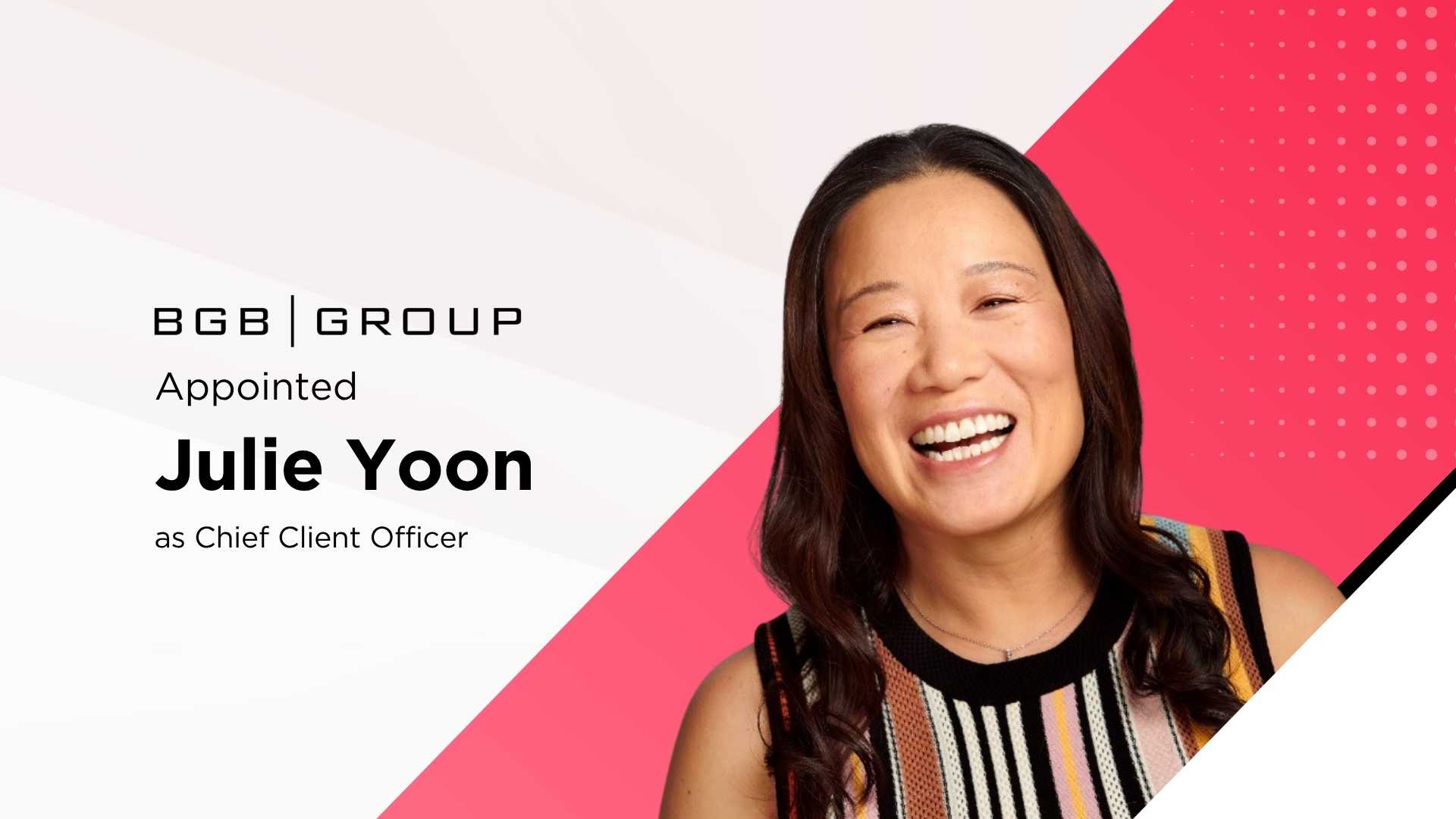
BGB Group, the commercial‑solutions firm that bundles strategic advisory, advertising, medical communications, and market‑access capabilities for life‑science companies, announced on April 7, 2026 that Julie Yoon will assume the newly created role of Chief Client Officer (CCO). The move signals a strategic pivot toward deeper, more coordinated client relationships at a time when pharmaceutical and biotech firms are demanding integrated, data‑driven support to navigate an increasingly complex regulatory and market environment.
A leadership shift rooted in internal expertise
Yoon, who entered BGB’s senior ranks in the fourth quarter of 2025, brings three decades of experience across the life‑science sector and seven years of tenure within the firm. Her reputation for “breakthrough thinking” on intricate client challenges and for forging long‑lasting partnerships was a key factor in her promotion, according to BGB’s CEO David Coman.
“Julie is exactly the kind of leader we believe in at BGB – someone who combines deep client understanding with the ability to think in truly breakthrough ways,” Coman said in a statement. “She has consistently raised the bar for what great partnership looks like, and her ability to make BGB the best part of our clients’ day is what truly sets her apart. I’m excited to see her bring that impact to this role.”
The decision followed a comprehensive market search that evaluated external candidates before concluding that Yoon was the most suitable fit. The internal search underscores BGB’s confidence in its own talent pipeline and its desire to maintain continuity while expanding the scope of its client‑centric initiatives.
What the CCO title means for BGB and its clients
The Chief Client Officer role, while still relatively uncommon in the life‑science services space, reflects a broader industry trend: firms are consolidating disparate service lines under a single client‑experience umbrella. By centralizing strategy, execution, and performance measurement, BGB aims to reduce friction for clients that traditionally juggle multiple vendors for advisory, creative, and market‑access needs.
In practice, Yoon will be responsible for aligning BGB’s four primary service pillars—Strategic Advisory, Advertising, Medical Communications, and Market Access—so that each contributes to a cohesive client journey. The goal is to shift from a “transactional” model, where services are delivered in silos, to a “strategic partnership” model that anticipates client needs, integrates insights across functions, and delivers measurable business outcomes.
“The expectations on our clients are evolving rapidly, and the commercial landscape in healthcare is more complex than ever,” Yoon explained. “What they need from partners is not just execution, but true strategic thinking and new ways to solve problems. I’m excited to help our teams push further – bringing breakthrough thinking to how we engage, how we collaborate, and how we deliver value – so we can continue to make a meaningful difference for our clients.”
Context: Life‑science commercial services under pressure
The life‑science industry has been undergoing a structural shift. Regulatory pathways are tightening, payer scrutiny is intensifying, and the speed at which new therapies move from discovery to market is accelerating. Companies are therefore seeking partners who can offer end‑to‑end solutions—combining market insights, regulatory navigation, creative messaging, and access strategy—rather than piecemeal services.
BGB’s portfolio is well‑positioned to meet that demand, but the integration challenge remains. Historically, agencies that specialize in a single discipline—such as medical writing or brand advertising—have struggled to provide the holistic perspective that modern pharma and biotech clients require. The creation of a CCO role is a direct response to that market pressure, aiming to break down internal barriers and present a unified front to clients.
Industry analysts have noted that firms which successfully blend data analytics, creative storytelling, and market‑access expertise can command higher fees and secure longer‑term contracts. By appointing a seasoned leader like Yoon, BGB signals its intent to compete not just on service breadth but on the strategic depth of its client relationships.
Julie Yoon’s track record and the skill set she brings
Yoon’s career spans a range of functions that are directly relevant to the CCO mandate:
- Strategic advisory: She has guided multiple biotech firms through product launch strategies, aligning R&D pipelines with market opportunities.
- Creative leadership: Yoon oversaw multi‑channel advertising campaigns that blended scientific rigor with consumer‑focused storytelling.
- Medical communications: Her experience includes authoring peer‑reviewed content, managing scientific congress participation, and developing educational materials for healthcare professionals.
- Market access: She has negotiated reimbursement pathways and built payer‑engagement frameworks for high‑cost therapies.
Within BGB, Yoon has been credited with “bringing breakthrough thinking to complex client challenges” and “building deep, enduring partnerships.” Her internal promotion suggests that BGB values continuity and institutional knowledge, especially as it expands its client‑engagement architecture.
How the new structure could affect BGB’s service delivery
- Unified client teams: Rather than separate project managers for each service line, clients may receive a single point of contact who orchestrates all deliverables, improving efficiency and reducing duplication.
- Cross‑functional insight sharing: Data and insights gathered by the market‑access team can inform creative messaging, while advertising performance metrics can feed back into strategic advisory recommendations.
- Performance‑based metrics: Yoon is expected to introduce KPIs that measure not just deliverable completion but also client satisfaction, revenue impact, and long‑term partnership health.
- Innovation pipelines: By centralizing client feedback, BGB can more quickly prototype new service offerings or technology tools that address emerging client needs.
These changes could translate into higher client retention rates and a stronger competitive position against other integrated life‑science service firms.
Potential challenges and risk factors
While the strategic intent is clear, execution will face hurdles:
- Cultural integration: Aligning four distinct service cultures—each with its own processes and performance incentives—requires careful change management.
- Talent retention: As responsibilities shift, key staff may need new skill sets or role definitions, which could trigger turnover if not managed properly.
- Client perception: Existing clients accustomed to dealing with individual specialists may need reassurance that the integrated model will not dilute expertise.
Yoon’s prior success in navigating “complex client challenges” suggests she is equipped to address these issues, but the transition will need to be measured and transparent.
Industry reaction and analyst perspective
Early commentary from industry observers points to a growing acceptance of the CCO model in life‑science services. Analysts note that as therapeutic modalities become more personalized and data‑intensive, the need for a single strategic partner that can synthesize scientific, commercial, and regulatory perspectives is becoming a differentiator.
One analyst, speaking on condition of anonymity, remarked, “BGB’s move is consistent with a broader shift toward client‑centric operating models. If they can deliver on the promise of seamless integration, they’ll likely see stronger contract renewals and the ability to command premium pricing.”
What this means for BGB’s clients
For pharmaceutical and biotech companies working with BGB, the appointment of Julie Yoon could manifest in several tangible ways:
- Simplified communication: A single liaison will reduce the administrative overhead of coordinating multiple service contacts.
- Strategic alignment: Campaigns and market‑access plans will be developed with a shared strategic framework, improving coherence across touchpoints.
- Proactive problem solving: Yoon’s emphasis on “breakthrough thinking” suggests that BGB will move from reactive execution to anticipatory strategy, identifying potential market or regulatory obstacles before they arise.
Clients who value integrated solutions may find the new structure particularly advantageous, while those preferring specialized, boutique services may need to reassess their relationship with BGB.
Looking ahead: The future of client engagement in life‑science services
The creation of a Chief Client Officer role at BGB reflects a broader industry evolution. As therapeutic innovation accelerates, the commercial ecosystem—spanning payer negotiations, digital outreach, and real‑world evidence generation—requires a more holistic approach. Firms that can seamlessly blend analytics, creative storytelling, and regulatory insight will be better positioned to help clients bring products to market efficiently and profitably.
If BGB’s integration under Yoon’s leadership proves successful, it could set a benchmark for other agencies looking to consolidate their service offerings. The next few quarters will likely reveal whether the CCO model delivers measurable improvements in client satisfaction, revenue growth, and market share.
Get in touch with our Adtech experts