McKinsey, the Durham‑based creative agency with a 57‑year track record, revealed on Feb. 23, 2026 that it is rolling out a dedicated consumer public‑relations practice. The unit will be headed by Jae Siercks, who previously served as senior vice president at Weber Shandwick. The move signals McKinsey’s intent to offer clients a more cohesive mix of paid, owned and earned media—an approach that the agency argues is essential for brands trying to capture dwindling consumer attention.
“Brands are increasingly forced to juggle multiple agencies for each channel, which often leads to siloed strategies and missed opportunities for true integration,” Siercks said in the announcement. “When you start with a single, well‑defined narrative that can be leveraged across all touchpoints, you unlock efficiencies and amplify impact far beyond what isolated campaigns can achieve.”
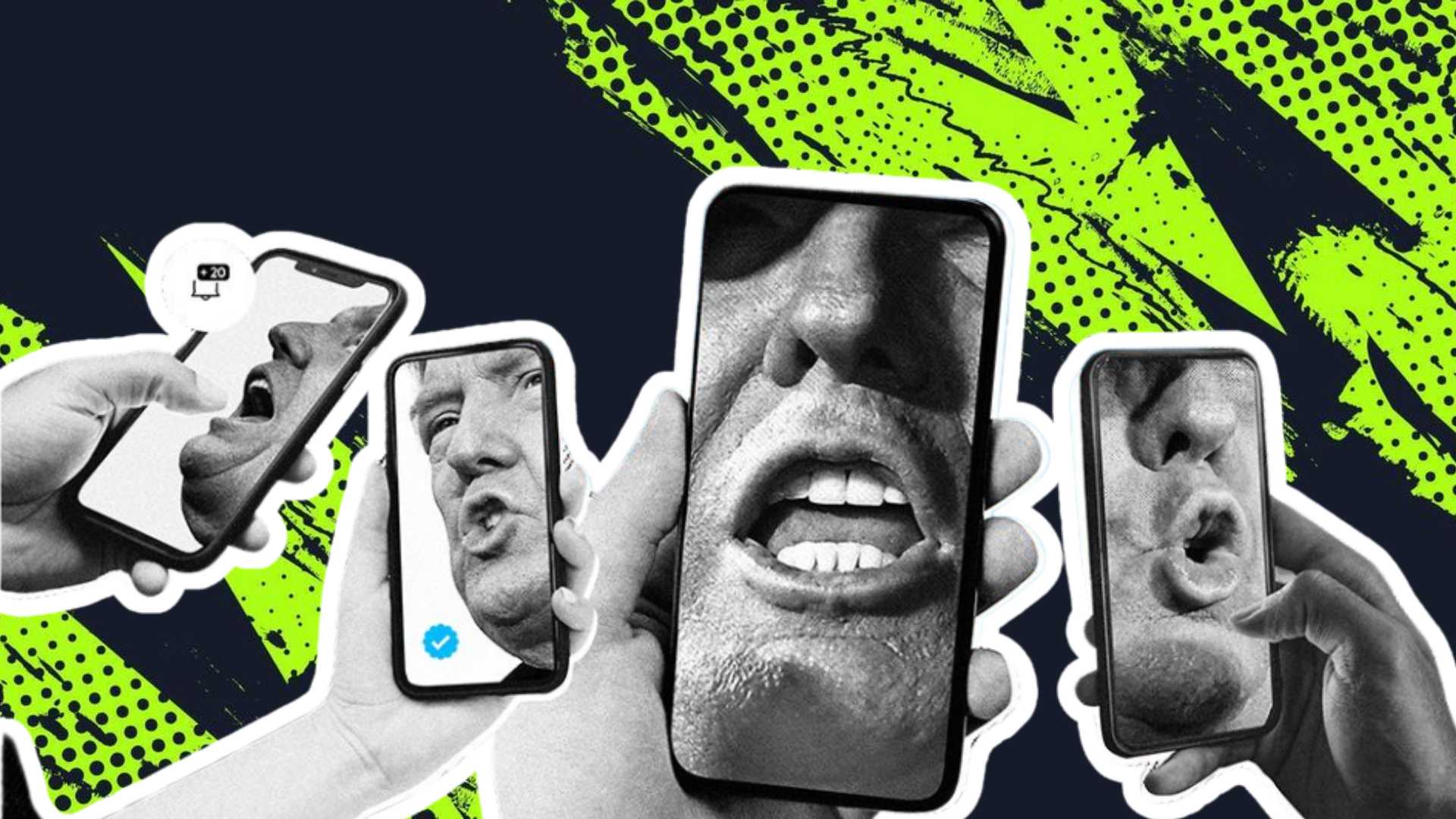
The new practice arrives at a time when the advertising landscape is being reshaped by two converging forces: an overabundance of AI‑generated content and a consumer base that now acts as its own broadcast network. According to McKinsey president Gretchen Walsh, the proliferation of algorithm‑driven content has made “attention a premium commodity.” In that context, she argues, “Brands can’t simply buy their way in; they must earn it, and that can’t be an afterthought.”
By consolidating PR under one roof, McKinsey hopes to give its clients a “holistic view of paid, earned and owned channels,” according to the press release. The agency believes the integrated model will make it easier for brands to maintain a consistent voice while also capitalizing on the unique strengths of each channel. For instance, a paid social push can be reinforced by earned coverage in niche publications, while owned media—such as brand blogs or newsletters—can serve as the connective tissue that ties the narrative together.
Joe Maglio, CEO of McKinney, emphasized the strategic relevance of the new unit. “Our agency has always evolved to meet client needs. Adding a consumer PR practice lets us harness earned media to break through a landscape that’s increasingly difficult to buy your way into,” he said. Maglio’s comment underscores a broader industry trend: agencies are moving away from the traditional “media buying” model toward full‑funnel solutions that address awareness, consideration, conversion and loyalty in a single workflow.
The timing also dovetails with a broader industry conversation about the limits of AI in content creation. While generative tools can churn out massive volumes of copy, Walsh warns that “AI enables infinite volume in the form of huge amounts of content, and creator culture has turned every consumer into a broadcaster.” She suggests that the human element—storytelling that resonates on an emotional level—remains the differentiator that can cut through the noise.
Siercks brings a portfolio of high‑profile integrated campaigns to McKinsey, most notably her work on General Motors’ Suburban relaunch. Her team’s early PR involvement secured a Hollywood Walk of Fame star for the vehicle, branding it as “the longest working actor in Hollywood.” The achievement illustrates how strategic earned media can elevate a product launch beyond conventional advertising metrics.
Her experience also spans retail and consumer goods, with collaborations for ALDI and other brands that required tight coordination between paid, owned and earned tactics. “Jae’s commitment to her people and her craft were clear from our first meeting,” Walsh added. “She really cares for people and for finding that balance of where to push and pull as a leader, and you can tell that the work is better for it.”
From a cultural standpoint, the partnership appears to be a natural fit. Siercks noted that McKinsey’s “smarts & hearts” ethos resonated with her own leadership philosophy. “Their creative excellence, the resources available through the Cheil Agency Network and their commitment to offering a holistic client and consumer‑centric experience are going to make this new PR offering valuable to the agency and most importantly our clients,” she said.
Industry analysts see the move as part of a larger shift toward “integrated marketing communications” (IMC), a discipline that blurs the lines between traditionally separate media functions. In a market where programmatic buying, influencer partnerships and data‑driven personalization coexist, the ability to orchestrate a unified message across all touchpoints can be a competitive advantage. McKinsey’s new unit could position the agency to better serve brands that are looking to consolidate agency spend while still achieving breadth and depth in their campaigns.
The launch also raises questions about how other agencies will respond. Several large networks have already announced similar “full‑service” units, but few have placed a former senior executive from a top‑tier PR firm at the helm. If McKinsey’s consumer PR practice delivers measurable improvements in earned coverage, brand sentiment and ROI, it may set a new benchmark for agency structures in the ad tech ecosystem.
For advertisers, the practical implication is a single point of contact for a campaign that spans digital display, social, search, content marketing and press outreach. This could streamline budgeting, reduce internal handoffs, and ultimately shorten time‑to‑market for new product announcements or brand repositioning efforts.
As the industry continues to wrestle with AI‑generated content saturation and the need for authentic storytelling, McKinsey’s bet on an integrated consumer PR practice may prove prescient. Whether the model yields the promised “unfair attention” for clients will become clearer as the first wave of campaigns rolls out over the coming months.
Get in touch with our Adtech experts