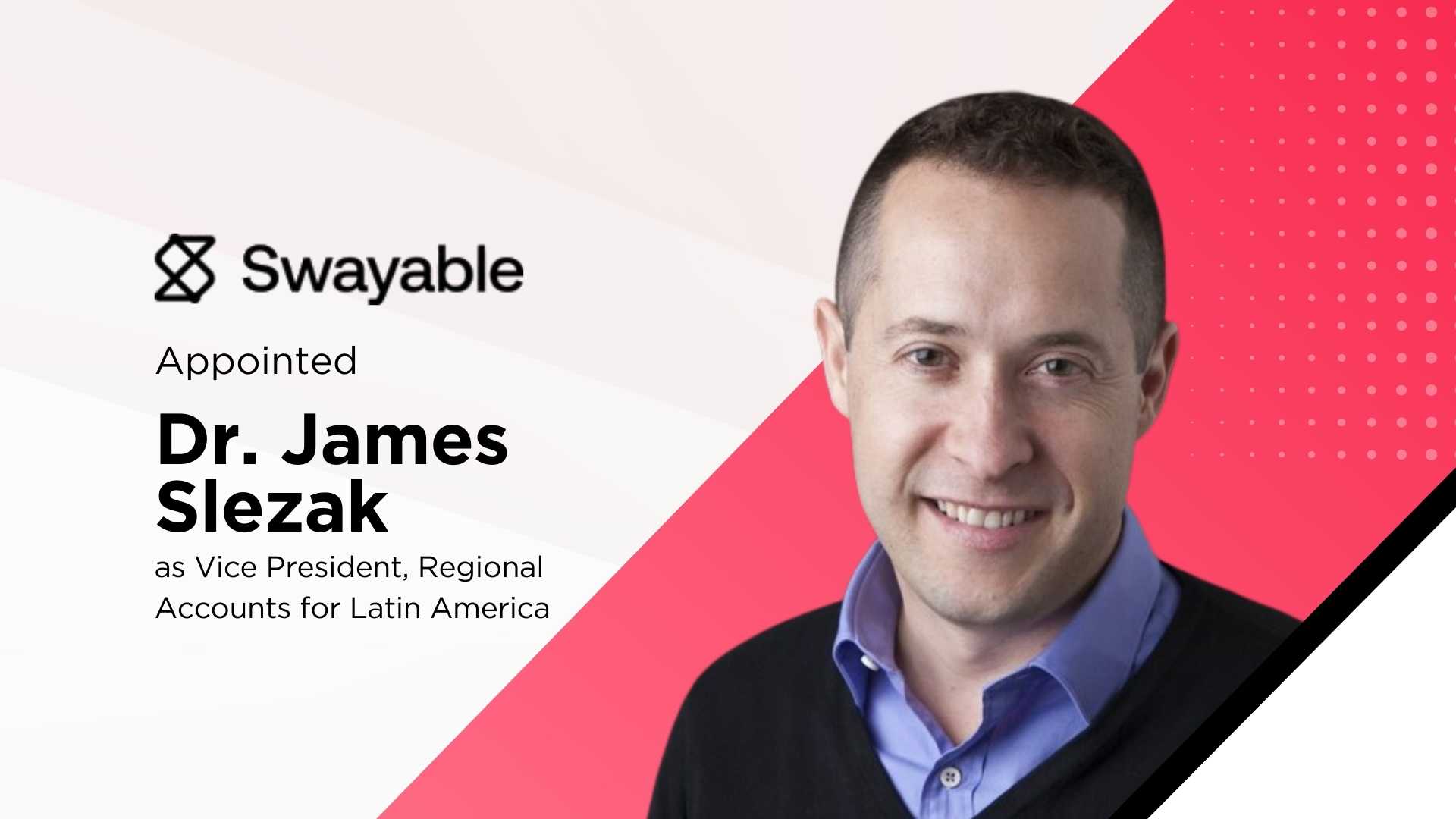
Swayable, the causal‑AI platform that powers creative testing for leading brands, announced that its chief executive, Dr. James Slezak, has been appointed to the Advertising Research Foundation’s (ARF) Board of Trustees for 2026. The move places Slezak among a roster of senior executives from agencies, advertisers and research firms and signals a deeper integration of AI‑driven methodologies into the foundation’s long‑standing mission of evidence‑based advertising research.
The ARF’s Legacy and Its Current Direction
Founded in 1936, the Advertising Research Foundation has long served as a neutral hub for rigorous research on media, marketing and advertising effectiveness. Its membership exceeds 400 organizations, ranging from global advertisers and creative agencies to academic institutions and international research bodies. The foundation’s core purpose is to advance scientific practices in the field through independent studies, standards development and the dissemination of actionable insights.
Board trustees play a pivotal role in shaping the ARF’s agenda, overseeing research initiatives, and ensuring that the organization remains responsive to evolving industry challenges. By joining the board, Slezak will help guide discussions on topics such as measurement methodology, data privacy, and the integration of emerging technologies into traditional research frameworks. He joins peers from McCann, PepsiCo, Ipsos, the Interactive Advertising Bureau (IAB), Paramount and Microsoft—companies that have historically influenced the direction of advertising research.
Swayable’s Technology Stack: From RCTs to Impact Scores
Swayable differentiates itself through a patented blend of randomized controlled trials (RCTs) and advanced machine‑learning models. The platform runs controlled experiments on creative assets, isolating the causal impact of each variation on consumer attitudes and purchase intent. Results are distilled into a proprietary metric known as the Swayable Impact Score, which quantifies lift in a way that is comparable across campaigns and media channels.
The company’s client list reads like a who’s‑who of digital commerce and entertainment: Amazon, Airbnb, T‑Mobile, DoorDash and Paramount rely on Swayable to vet creative concepts before large‑scale rollouts. By providing statistically robust evidence of which messages resonate, Swayable helps advertisers allocate media spend more efficiently and reduce the risk of costly creative missteps.
Why the Board Seat Matters for Both Swayable and the ARF
The appointment underscores a broader industry shift toward data‑driven decision‑making. Historically, advertising research has leaned heavily on survey‑based methods and correlational analysis. The ARF’s embrace of an executive whose firm specializes in causal inference suggests an openness to more rigorous experimental designs.
For Swayable, the board role offers a platform to influence standards that could eventually codify experimental measurement as a best practice across the industry. It also provides early insight into emerging research priorities, allowing the company to align its product roadmap with the foundation’s strategic focus areas.
Industry Context: AI, Measurement and the Future of Ad Research
Artificial intelligence has moved from a peripheral tool to a central component of advertising analytics. Machine‑learning models now power everything from audience segmentation to real‑time bidding. Yet, the challenge of attributing true causal impact—distinguishing correlation from causation—remains a gap that many advertisers struggle to fill.
Swayable’s approach, which couples RCT methodology with AI‑enhanced data processing, addresses this gap directly. Competing solutions, such as those offered by Nielsen, Kantar and Ipsos, have begun integrating experimental designs, but few provide an end‑to‑end platform that automates test design, execution and statistical reporting at scale. The ARF’s endorsement of leaders from this niche could accelerate the adoption of such methods across its member base.
Moreover, regulatory scrutiny around data privacy and the reliability of measurement has intensified. The European Union’s Digital Services Act and similar frameworks in the United States demand higher transparency and methodological rigor. Boards like the ARF’s are increasingly tasked with reconciling innovation with compliance, a balance that Slezak’s expertise in causal AI is well positioned to help achieve.
Slezak’s Perspective: A Vision for Evidence‑Based Creativity
In a statement released alongside the appointment, Slezak said, “I’m honored to join the ARF Board of Trustees alongside so many distinguished leaders from across our industry. The ARF’s commitment to rigorous, evidence‑based research is deeply aligned with Swayable’s own mission to measure the impact of the world’s most important messages. I look forward to contributing to the ARF’s vital work and to the conversations that will help the marketing industry make smarter, more impactful decisions.”
His remarks highlight a shared belief that robust measurement should inform creative strategy rather than merely validate it after the fact. By embedding experimental rigor earlier in the creative process, advertisers can iterate faster, reduce waste, and ultimately deliver messages that resonate more authentically with target audiences.
Practical Implications for Advertisers
- Accelerated Test‑Learn Cycles – With AI‑powered RCTs, brands can run multiple creative variations simultaneously, shortening the time between concept and insight.
- Quantifiable ROI – The Swayable Impact Score translates qualitative consumer reactions into a numeric lift figure, making it easier to justify media spend to finance teams.
- Cross‑Channel Consistency – Because the methodology is platform‑agnostic, advertisers can compare performance across digital, TV and out‑of‑home assets within a single framework.
- Risk Mitigation – Early detection of weak creative reduces the likelihood of costly full‑scale launches that miss the mark.
These benefits align with the ARF’s ongoing research into optimizing media investment and reducing measurement error, suggesting that Slezak’s influence could lead to new guidelines or case studies that formalize such practices.
Looking Ahead: Potential Board Initiatives
While the ARF has not disclosed its 2026 agenda in detail, historical trustee initiatives have focused on topics such as:
- Standardizing Experimental Protocols – Developing industry‑wide guidelines for conducting and reporting RCTs in advertising.
- Data Privacy Frameworks – Crafting best‑practice documents that reconcile AI‑driven measurement with emerging privacy legislation.
- Cross‑Industry Collaboration – Facilitating joint research projects between advertisers, agencies and tech providers to address shared challenges.
Given Slezak’s background, it is plausible that upcoming working groups may explore the scalability of causal AI, the integration of real‑time data streams, and the use of synthetic control methods for brand lift studies.
Conclusion
James Slezak’s appointment to the ARF Board of Trustees marks a convergence of two historically distinct worlds: the long‑standing, standards‑focused research community and the fast‑moving, AI‑driven technology sector. As advertisers grapple with an increasingly fragmented media landscape and mounting pressure to prove the effectiveness of every dollar spent, the partnership between Swayable’s causal‑AI expertise and the ARF’s research authority could shape the next generation of measurement best practices. For brands seeking to move beyond intuition and toward quantifiable creative impact, the development warrants close attention.
Get in touch with our Adtech experts