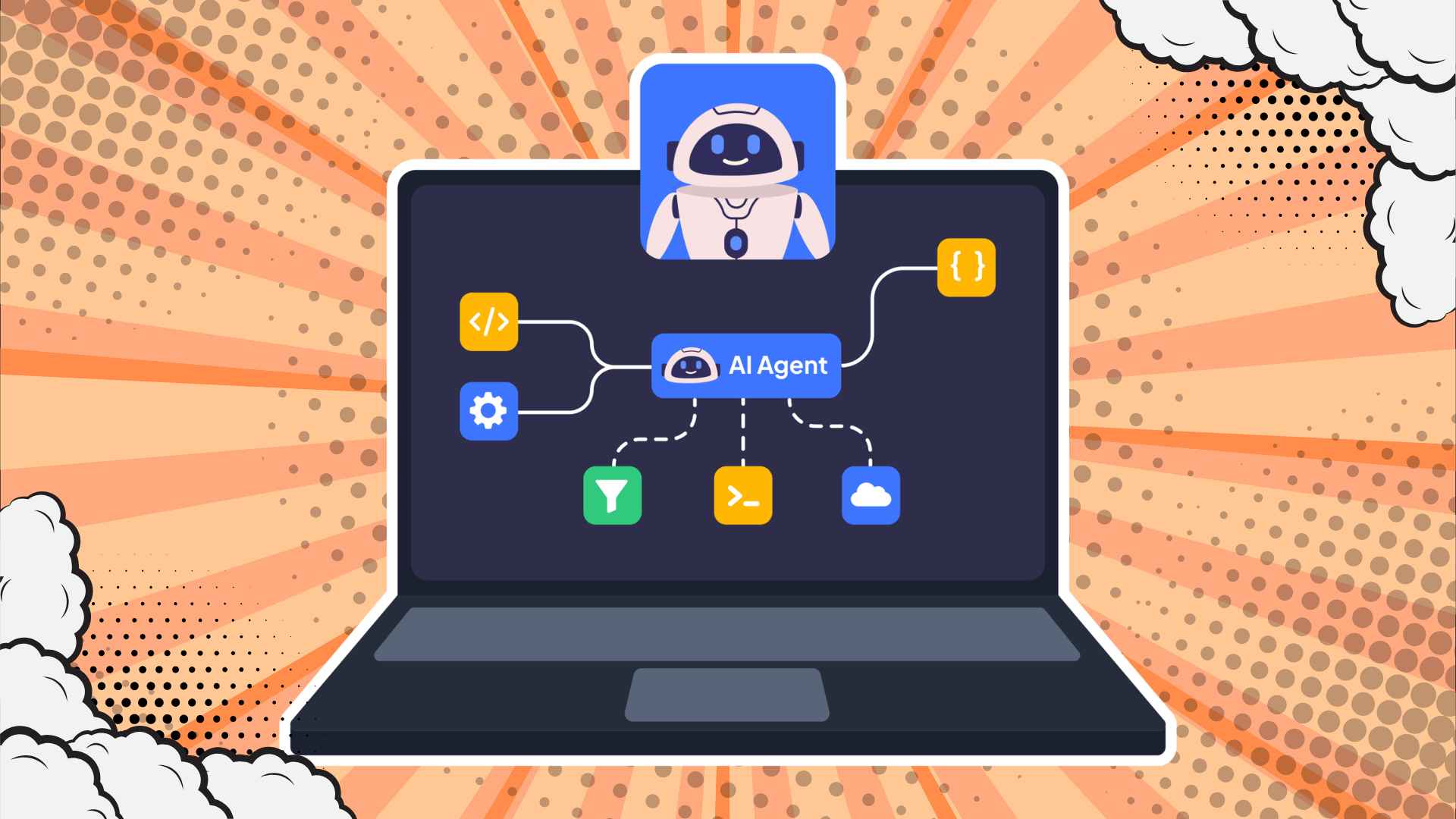
Magnite is expanding its agentic advertising infrastructure beyond digital and streaming inventory, adding support for linear and addressable television, digital audio, high-impact display and online video. The move positions Magnite Orchestration as a coordination layer intended to let buyer and seller AI agents discover, evaluate, activate and optimize media through a shared environment.
The announcement, made September 16, extends Magnite’s effort to connect automated media-buying workflows across inventory that has historically operated through different systems and transaction models. Magnite says the Orchestration layer can translate buyer-agent requests into standardized interactions with seller-side inventory, while allowing agencies, media owners and technology providers to bring their own agents and optimization models.
The expanded integrations include local linear TV inventory through ITN, addressable television supply through DIRECTV Advertising, streaming TV formats from Samsung Ads, audio inventory from iHeartMedia and web and mobile inventory. Magnite also cites interoperability with Databricks and participation from technology provider Newton Research.
The underlying proposition is less about adding another AI buying interface and more about creating an intermediary layer between autonomous systems. In conventional programmatic workflows, buyers and sellers depend on established APIs, deal structures and platform-specific controls. An agentic model introduces another layer of complexity because software agents must interpret objectives, inventory characteristics and transaction rules consistently without requiring humans to configure every step.
Magnite’s approach is therefore centered on orchestration: connecting different agents and inventory sources while maintaining a common operational framework. For advertisers and agencies, that could eventually reduce the number of individual systems they need to navigate when campaigns span television, streaming, audio and digital inventory. For publishers and media owners, the potential benefit is making premium inventory accessible to new AI-driven buying workflows without requiring every buyer to adopt the same execution model.
The development arrives as the advertising industry works toward standards for agent-to-agent transactions. IAB Tech Lab’s Agentic Advertising Management Protocols (AAMP) initiative is developing open standards and reference implementations for AI agents operating across advertising workflows, including media discovery, planning, buying and other functions. Its 2026 work emphasizes interoperability, privacy, governance and the use of existing advertising standards as a foundation for agentic systems.
That standards question is important because automation does not automatically create interoperability. If every DSP, SSP, publisher and agency develops proprietary agent interfaces, buyers could simply exchange platform silos for agent silos. Neutral coordination layers and common protocols could instead become an important part of the infrastructure required for machine-to-machine media trading.
IAB’s 2026 research also indicates that agentic AI has moved into the strategic planning conversation for media buyers, while its recent work on AI-powered programmatic video highlights the growing role of AI in planning, bidding, pricing, optimization and measurement.
Magnite’s expanded Orchestration capability does not by itself establish that advertising transactions will become fully autonomous. The more immediate significance is architectural: connecting heterogeneous inventory and third-party agents so automated buying can operate across more of the media ecosystem. The commercial impact will ultimately depend on interoperability, transparency, measurement and how much control advertisers and publishers retain as software assumes more execution responsibilities.
Market Landscape
Agentic AI is moving from experimentation toward infrastructure development across digital advertising. IAB Tech Lab’s AAMP initiative is specifically focused on extending established advertising standards into agentic workflows, with buyer and seller agent implementations and frameworks designed around interoperability, trust and governance.
The timing is significant for video and omnichannel buying. IAB’s August 2026 guidance identifies AI applications across planning, forecasting, bidding, pricing, optimization and measurement in programmatic video, while emphasizing transparency as AI takes on more marketplace decisions.
IAB’s January 2026 outlook also reported that two-thirds of surveyed media buyers were specifically focused on agentic AI for ad buying or campaign execution, although the research reflects surveyed buyer perspectives rather than an industry-wide measurement of adoption.
The key strategic issue is interoperability.
For advertisers and agencies, orchestration could eventually simplify campaigns that span traditionally separate TV, streaming, audio and digital workflows.
For media owners, agent compatibility could provide another route for buyers to discover and activate inventory, but maintaining inventory controls, audience permissions and commercial terms remains important.
For SSPs and other infrastructure providers, agentic workflows could shift differentiation toward data quality, inventory intelligence, transparency and the ability to expose supply to multiple AI-driven buying systems.
For the wider ecosystem, standards will matter. IAB Tech Lab’s development of AAMP demonstrates that the industry is addressing agent-to-agent communication as an infrastructure problem rather than simply an AI-interface problem.
Magnite’s announcement is therefore best understood as an expansion of the execution layer for agentic media buying, rather than evidence that fully autonomous cross-channel advertising has already become standard practice.
Top Insights
- Magnite is extending agentic workflows beyond streaming into linear TV, addressable TV, audio, display and online video.
- Orchestration is the central technology concept, connecting buyer and seller agents rather than requiring every participant to use the same AI model.
- Interoperability is becoming an infrastructure issue as AI agents enter programmatic buying and selling.
- Media owners could gain new automated routes to inventory activation, while retaining commercial and supply-side controls.
- Standards and transparency will influence adoption, particularly as AI assumes more campaign execution and optimization tasks.
Get in touch with our Adtech experts.