


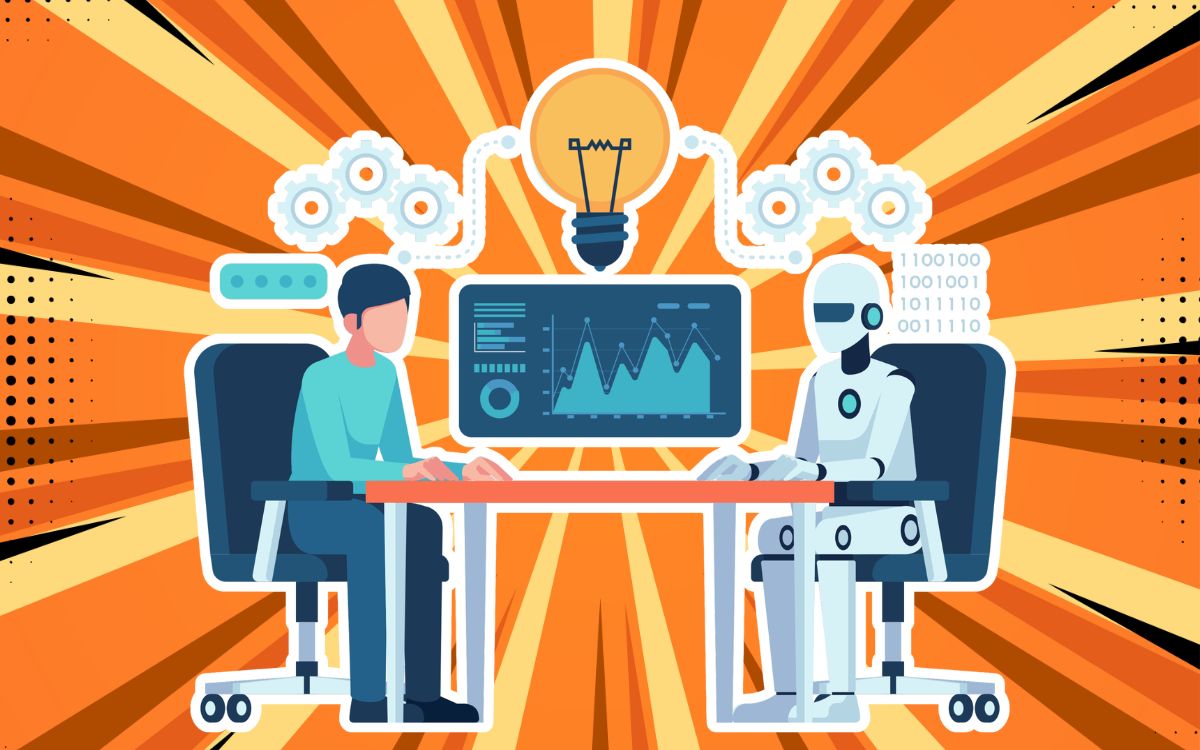
In 2030, a global brand launches a new product across five countries. The company’s AI handles the entire campaign in real-time. There are humans involved in this process but their function is supervisory.
Branding strategy, storytelling, and engagement were the responsibilities of advertising agencies. Now it is shifting due to AI. Adaptive AI Ecosystems is accelerating this shift. At the same time, this transformation raises important question for businesses. Will AI eventually control advertising strategy?
This article explains how AI and advertising will contribute in the future of advertising.
The Advent of Adaptive AI Ecosystems in Advertising
Adaptive AI ecosystems are reshaping the discussion when it comes to AI vs advertising agencies. Businesses are asking whether traditional agencies can keep pace with AI that work and operate continuously.
But the emergence of AI does not mean the end of advertising agencies. On the contrary, it is shaping a new future for them. Agencies are moving away from managing and focusing on creative direction and customer experience. Adaptive AI Ecosystems integrate these capabilities into a single integrated system.
AI Advertising vs Human Creativity: Which Do Your Brands Need?
Whereas AI revolutionizes advertising, human creativity plays a vital role in assisting companies to build their unique brands.
1. Adaptive AI Ecosystems Perform Better When Managed by Humans
Companies are merging AI technology with strategy and planning from agencies. This involves using AI not as a replacement but as an enhancement tool.
Example: A B2B software brand uses AI to identify audience segments, while agency focus on messaging and long-term positioning.
2. Brands Should Strive for Balance
AI enhance efficiency, customization, and campaign optimization; humans bring in trust, empathy, and thinking.
Example: The use of AI product suggestions by a retail brand may require humans to be involved in the creation of campaign and storytelling.
3. Customer Trust Is Still the Domain of Humans
Even with automation, there is responsibility to be involved in building and deploying these campaigns. Humans ensures that the messages are ethically constructed and consistent with what customers are expecting.
Example: In the financial sector, companies use automated tools to reach audiences, but humans must review messages prior to publishing.
Risk Factors Inherent in Automated Advertising System
Automated advertising system enhances efficiency; however, total dependency on AI raises issues related to creativity.
1. Risk: Improper Audience Targeting
AI depends on customer data. In case the information is outdated, the campaigns will reach incorrect audiences, wasting budget.
Solution: Regularly update customer data and monitor campaign performance manually.
Example: A B2B software company may continue targeting inactive leads because the AI was trained on outdated customer information.
2. Risk: Limited Strategic Thinking
AI can struggle to understand long-term brand goals, market positioning, or reputation management. This challenge is shaping the future of advertising agencies, where strategic guidance is more valuable.
Solution: Implementing AI in executing campaigns and analyzing results, and leaving human experts to develop strategies for future.
For instance, an AI might decide that placing more clicks should be prioritized regardless that it is not aligned with the brand image.
3. Risk: Absence of Accountability
If the campaigns become completely automated, it will be hard to establish who bears the responsibility for the wrong decision-making.
Solution: Setting up oversight framework for AI management and campaign monitoring.
Example: If an automated campaign spreads incorrect promotional information, businesses need clear accountability processes to respond quickly.
AI in Advertising: Will Agencies Become Strategy Partners Instead?
The future of advertising will likely combine Adaptive AI Ecosystems with human expertise.
1. Agencies are Moving Toward Consulting
The Future of advertising agencies is to guide brands through complex marketing decisions.
Example: Rather than just managing their paid ads, agencies are now helping firms in developing strategies for engaging customers.
2. Adaptive AI Ecosystems Are Pushing Collaborative Approaches
Agencies are helping businesses integrate and manage the Adaptive AI Ecosystems effectively.
Example: A global retail company work with an agency to connect CDPs, personalization tools, and AI campaign systems into one unified system.
3. Agencies are Playing a Role as AI Partners
Many companies lack the internal capability to handle AI solutions. Therefore, agencies play advisory roles to assist brands in adopting AI responsibly.
Example: A B2B business using AI for personalization depends on agencies in choosing platforms, strategizing, and monitoring performance.
AI vs Agencies: Which One Will Guide Advertising by 2030?
Advertising is going through one of the most significant changes within the industry. It would be unlikely for AI or agencies to monopolize on advertising leadership by 2030. The future will be built on collaboration between technology and human expertise.
It would not be the case that advertising in 2030 would involve AI replacing agencies. On the contrary, it would represent an integration of the two in forming advertising strategies.

Paramita Patra is a content writer and strategist with over five years of experience in crafting articles, social media, and thought leadership content. Before content, she spent five years across BFSI and marketing agencies, giving her a blend of industry knowledge and audience-centric storytelling.
When she’s not researching market trends , you’ll find her travelling or reading a good book with strong coffee. She believes the best insights often come from stepping out, whether that’s 10,000 kilometers away or between the pages of a novel.






