Generative AI is giving advertisers new ways to produce creative variations, but replicating a real person’s likeness introduces questions around consent, licensing and control. Avail, a product studio focused on media and creator technology, is addressing that gap with creatorAPI, a platform that lets brands license creator likenesses on an asset-by-asset basis and generate variations of human-recorded advertising content.
Creator advertising has traditionally been constrained by production. A creator records an advertisement, the brand distributes it across channels and producing substantially different versions generally means bringing the creator back for another shoot.
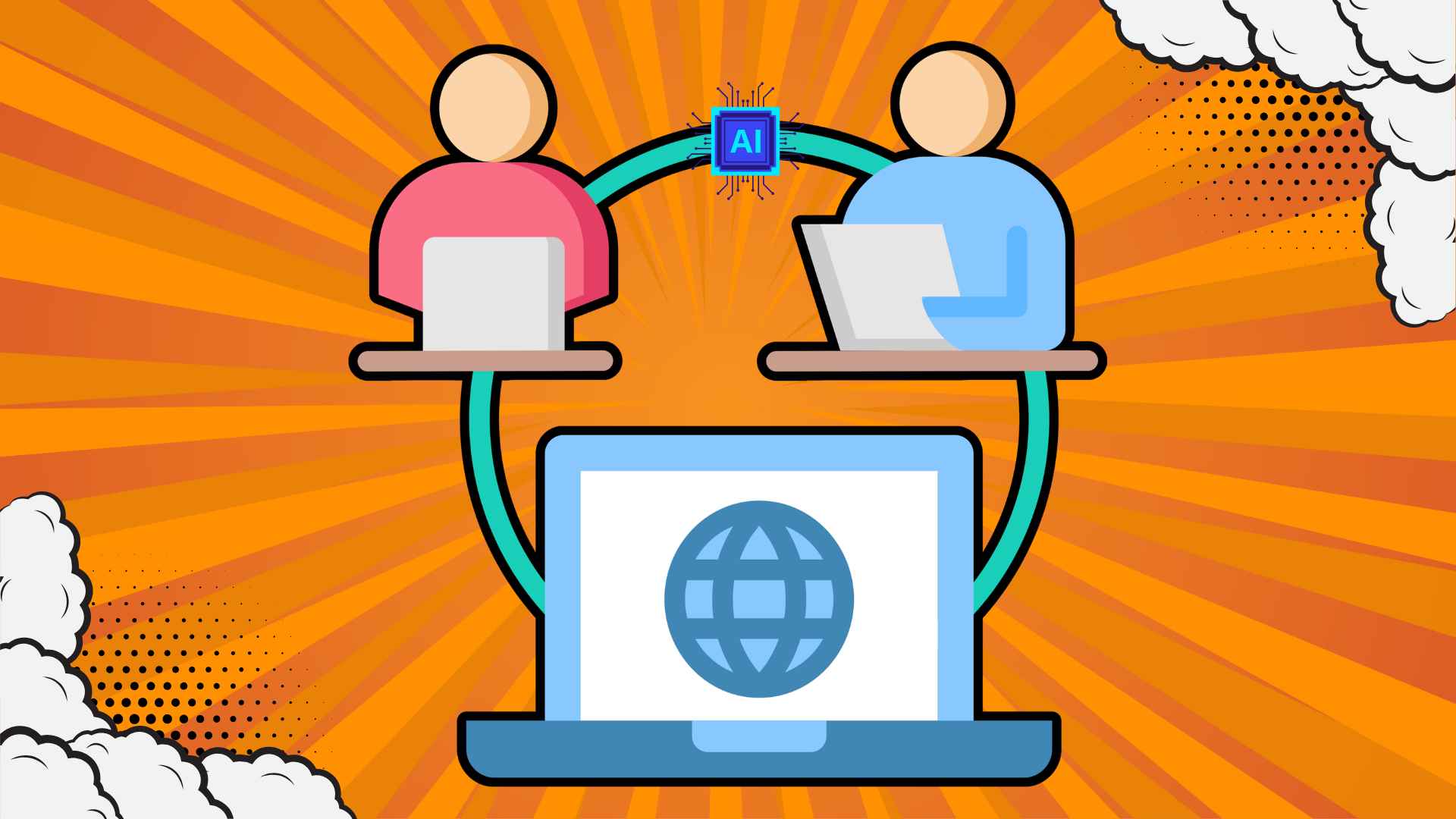
Avail’s creatorAPI is designed to change that workflow by separating the original human performance from the number of creative variations a brand can produce.
A creator can record an advertisement once and authorize a brand to generate multiple versions of that performance. Those variations can include different hooks, messaging, calls to action and formats, according to Avail.
The platform is built around a licensing model in which creators establish how their likeness, voice and performance can be used. Brands then generate content within those agreed parameters rather than receiving unrestricted access to a synthetic replica.
That distinction puts creator consent and advertising production into the same technology workflow.
For advertisers, the potential benefit is creative testing. Instead of commissioning separate shoots for every message or audience, a single creator asset could become the starting point for multiple variations. Brands could then test those versions across audiences and advertising channels.
The approach also addresses a growing tension in generative advertising. AI can reduce the cost and time required to produce human-like creative, but fully synthetic influencers can remove the connection between a campaign and an actual creator.
Avail is positioning creatorAPI as an alternative: use generative technology to expand what human creators can produce rather than eliminate them from the advertising process.
The platform allows creators to establish rules around permitted products, subjects, claims and creative treatments. Those controls are important because creator advertising carries reputational and commercial considerations beyond simply reproducing someone’s appearance.
The licensing model also changes the economics of creator participation. A creator does not necessarily need to exchange additional hours of production time for every new creative variation. Instead, the value of the original performance can potentially extend across a larger set of licensed advertising assets.
For brands, the model could increase the volume of creator-based creative available for experimentation.
This positions creatorAPI at the intersection of generative AI, creator advertising, dynamic creative optimization and rights management. Rather than treating AI-generated content as a standalone production tool, Avail is embedding it within the commercial relationship between creators and advertisers.
The company has tested the platform in a closed beta involving a small group of direct-to-consumer brands and creators. Early users include creator Emily Higgins and Night Media.
The longer-term ambition extends beyond individual campaigns. Avail describes creatorAPI as a potential foundation for an advertising exchange where brands and creators could negotiate licensing terms, generate approved content and execute campaigns through software.
That vision would move creator advertising closer to a programmatic model. A brand could specify the creative it needs, while a creator could define available rights, usage conditions and compensation. Software could then connect the two sides and manage production within those parameters.
Such a model would require considerably more infrastructure than AI video generation alone. Identity, consent, licensing, usage rights, compensation, brand controls, content approvals and measurement would all need to operate reliably within the advertising workflow.
The immediate launch is therefore more focused than the broader marketplace vision. creatorAPI gives brands and creators a system for generating licensed variations of human creator content. But its potential significance lies in treating the creator’s identity as a governed advertising asset rather than simply as training material or an input for unrestricted synthetic content.
Market Landscape
Generative AI is reshaping advertising creative production, with platforms increasingly automating image, video, copy and creative variations. Creator advertising introduces an additional layer because the creative asset is tied to a recognizable person’s identity and commercial value.
That creates a market opportunity for technology connecting AI generation with creator rights and advertising operations. Traditional influencer platforms generally focus on discovery, campaign management and creator-brand relationships, while generative AI platforms focus on producing content. creatorAPI is attempting to connect those functions through a licensing and generation workflow.
The competitive landscape is likely to include creator-marketing platforms, AI creative-generation providers, rights-management technology and advertising platforms developing automated creative optimization.
If creator licensing can become standardized and machine-readable, creator advertising could potentially become more scalable and programmable. Brands could gain access to larger libraries of approved human performances, while creators could monetize those assets without participating in every production cycle.
Strategic Outlook
The important question for AI-powered creator advertising is not only whether synthetic content can look convincing. It is whether creators can retain meaningful control over how their identities are commercialized.
Avail’s model puts that question directly into the advertising infrastructure. Asset-level licensing and usage rules create a framework in which AI generation operates within an agreement between a brand and a human creator.
If that framework expands into automated licensing, campaign execution and marketplace infrastructure, creator advertising could begin adopting mechanisms more commonly associated with programmatic media.
The immediate product remains a creative-generation and licensing platform. Its longer-term proposition is more ambitious: turning approved human performance into a scalable advertising asset while keeping the creator involved in the commercial relationship.
Top Insights
- Avail’s creatorAPI lets brands license creator likenesses and generate AI-powered variations from human-recorded advertising assets.
- Creators can establish rules governing use of their likeness, voice, performance, products, claims and creative treatments.
- The platform targets a core advertising bottleneck: producing and testing multiple creator creatives without requiring repeated shoots.
- Its licensing framework connects generative AI with creator consent, compensation and advertising rights management.
- Avail’s longer-term vision is a software-driven marketplace where brands and creators can negotiate, license and execute campaigns programmatically.
Get in touch with our Adtech experts