


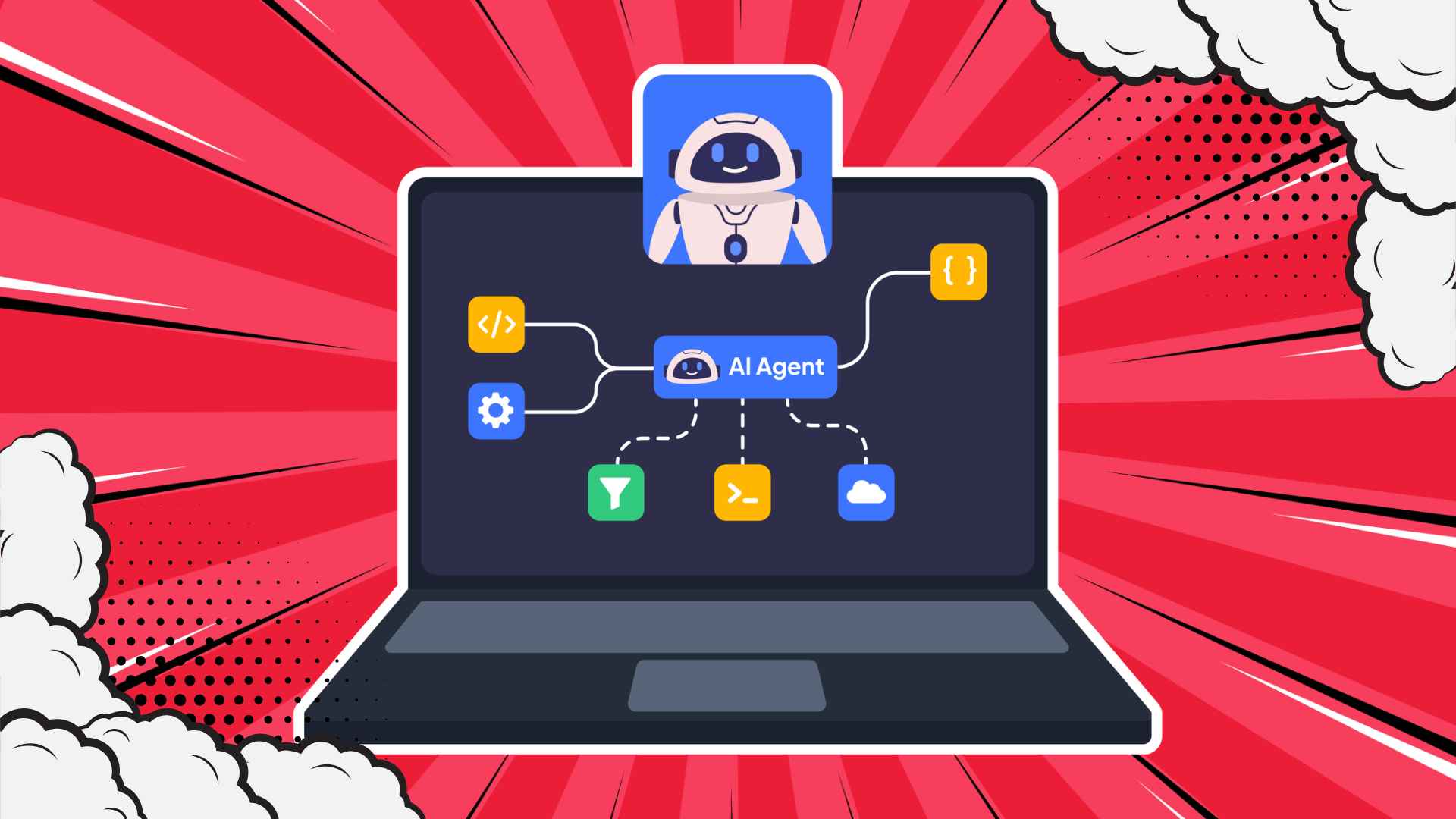
Triton Digital has launched an AI-powered Seller Agent for audio advertising, reporting that its first transaction handled campaign discovery, negotiation and ad-server booking through communication between AI agents. The campaign involved fashion retailer Otrium, agency Draft Digital and Dutch media company Talpa Media.
Announced on October 28, the transaction was conducted through Triton’s Triton Ad Platform (TAP). The company says the process moved from campaign brief to booking in minutes rather than the days that manual coordination can require. Triton describes it as an audio-industry first, although the claim has not been independently established. tritondigital.com+1
The new Seller Agent is designed to let publishers receive, evaluate and fulfill campaign requests from AI buying agents without repeated manual exchanges among advertisers, agencies and media owners. For digital audio publishers, the goal is to reduce the operational work involved in matching campaign requirements with available inventory and agreeing on deal terms.
In the initial transaction, an AI agent working for Otrium identified audio advertising products that matched the campaign brief. The buying and selling systems then aligned on availability and terms before the campaign was booked automatically in the ad server. The campaign is live through Talpa Media’s digital audio offering, supported by its Sync infrastructure. tritondigital.com+1
Automation shifts the work behind audio media buying
Audio advertising transactions can involve multiple steps: interpreting a brief, identifying suitable inventory, checking availability, negotiating pricing and conditions, and confirming a booking. Automating those exchanges could make direct publisher inventory easier to buy, particularly when campaign requests and deal structures are compatible with standardized systems.
Triton’s approach focuses on the transaction process rather than claiming a new audience-targeting or ad-measurement capability. Its Seller Agent is intended to connect buying agents with publisher-side inventory and booking workflows. The practical value will depend on how reliably agents interpret campaign requirements, negotiate within approved parameters and complete bookings across participating systems.
The launch also arrives as the advertising industry develops ways for AI agents to transact using shared technical standards. Triton is a founding member of AgenticAdvertising.org, which stewards the Advertising Context Protocol (AdCP). The protocol is intended to provide a common framework for AI systems to discover, plan and transact media across advertising platforms. The open standard for AI-powered advertising.
That interoperability matters because automated buying is less useful if each platform requires a different integration or proprietary workflow. Shared protocols could help agencies connect their buying agents to publishers’ selling systems, though adoption and consistent implementation will determine how far this can scale.
Human oversight remains part of the transaction
Despite the automated execution, Triton says participating companies established pricing guardrails, data and privacy requirements, and campaign-validation standards before the agents began operating. Bookings are checked against those conditions before campaigns go live. tritondigital.com+1
This distinction is important: agentic buying does not necessarily mean unrestricted autonomous negotiation. People still define the commercial rules, approve the boundaries and remain accountable for campaign decisions. The model moves much of the review from individual transaction steps into the setup and governance of the system.
The first deal, however, does not yet demonstrate broader performance gains. Triton has not disclosed the campaign budget, agreed price, transaction volume, comparative delivery results or measured return on advertising spend. Faster booking may reduce administrative friction, but it does not by itself establish better campaign effectiveness or increased publisher revenue.
For audio sellers and agencies, the next test will be whether the system can handle a wider range of briefs, pricing structures, inventory constraints and campaign requirements without increasing the risk of booking errors or weakening brand-safety controls.
The Otrium transaction gives Triton a working example of agent-to-agent execution in digital audio. Its longer-term significance will depend on whether the approach scales beyond an initial campaign and becomes interoperable with the buying systems agencies already use.
Market Landscape
Agentic advertising is moving from concept toward live transactions, with platforms exploring how AI agents can discover inventory, negotiate media buys and complete campaign workflows. Triton’s announcement follows other industry efforts to automate buying and selling through agent-based systems.
AdCP offers one potential route toward interoperability by defining a shared language for advertising tasks. Yet a common protocol alone does not guarantee consistent campaign quality, pricing transparency or compatible governance across platforms. Publishers and advertisers will still need clear rules for data access, authorization, validation and accountability. The open standard for AI-powered advertising.
Strategic Outlook
Triton’s Seller Agent could make digital audio inventory easier to transact by reducing the manual steps between a media brief and a confirmed booking. If adopted across more publishers and buying systems, this approach may help agencies execute direct audio deals with less operational overhead.
The key indicators to watch are adoption beyond the first campaign, integration with independent buying agents, booking accuracy, pricing transparency and measurable campaign outcomes. Until those results are available, the strongest evidence is process automation—not demonstrated improvements in advertising effectiveness.
Top Insights
- AI-to-AI booking: Triton says agents handled the process from campaign request through negotiation to ad-server booking.
- Audio-specific execution: The Seller Agent is built into Triton Ad Platform and targets publisher inventory workflows.
- Human-defined guardrails: Pricing, privacy and campaign-validation requirements are set before automated execution.
- Open standards matter: AdCP could help connect buying and selling agents across different advertising systems.
- Performance remains unproven: No campaign budget, return on ad spend or comparative results were disclosed.
Get in touch with our Adtech experts







